1 Nov 2026
Analyzing Connections in Loyalty Programs and Play Limits for Mobile Card Game Platforms
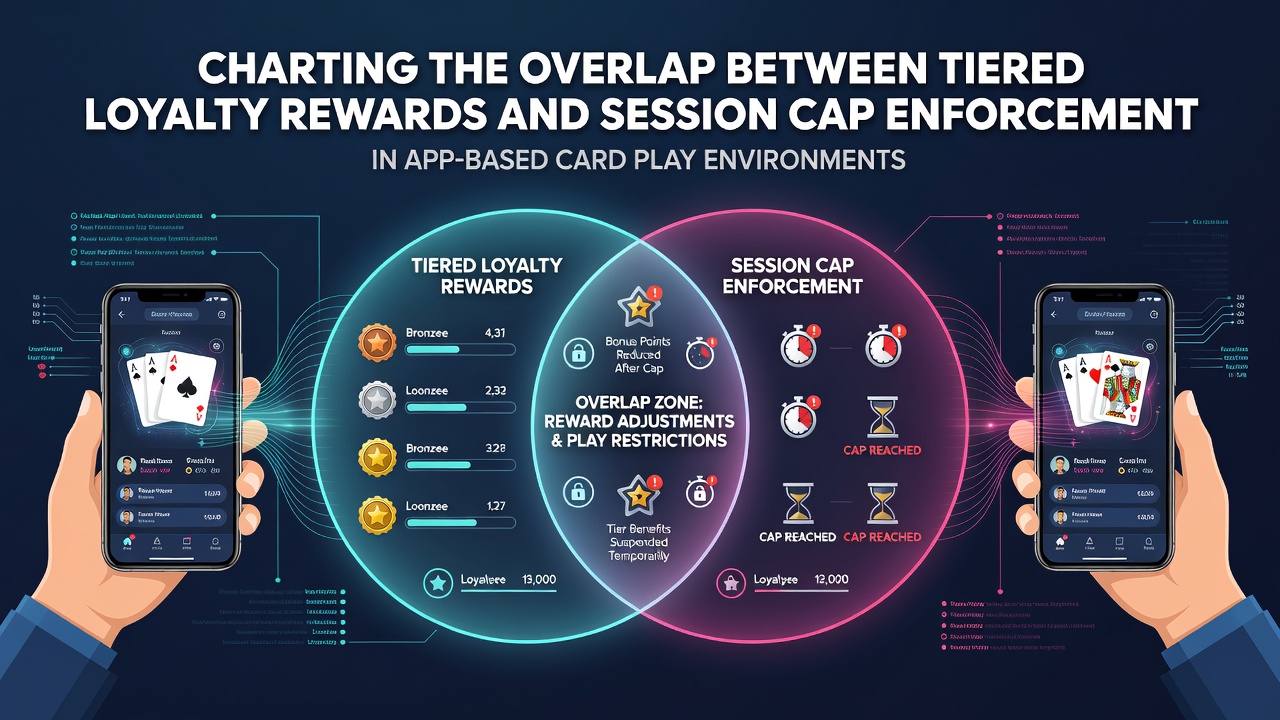
App-based card play environments have expanded rapidly in recent years, and developers now integrate tiered loyalty rewards with session cap enforcement to manage user engagement and compliance requirements. These systems track player activity through algorithms that adjust reward levels while enforcing time-based or spending-based limits within individual gaming sessions. Data from industry reports indicates that such integrations affect how users progress through reward tiers without exceeding enforced caps on continuous play.
Mechanics of Tiered Loyalty Structures
Loyalty programs in these platforms categorize participants into multiple levels based on cumulative activity metrics such as hands played, total wagers, or login frequency, and each tier unlocks distinct benefits including bonus credits, accelerated point accumulation, or access to exclusive game variants. Researchers at academic institutions have documented how these structures rely on real-time data processing to recalculate user status after every session, which ensures that progression aligns with platform rules. In practice, players advance when thresholds are met yet face automatic resets or adjustments if session caps intervene before goals are reached.
Session Cap Enforcement Protocols
Session caps operate as automated controls that restrict continuous play duration or expenditure within a single login period, and they draw from regulatory frameworks established by bodies such as the Nevada Gaming Control Board alongside research from the University of Nevada's gaming studies division. These protocols activate timers or spending monitors that pause or terminate sessions once predefined limits activate, and they often sync with loyalty tracking to preserve accumulated progress even when play halts. Figures from platform analytics reveal that enforcement occurs most frequently during peak hours when user volumes strain server resources or trigger compliance alerts.
Overlap Patterns in Reward Progression and Cap Triggers
The intersection emerges when loyalty algorithms detect nearing cap thresholds and adjust reward multipliers or notify users of impending pauses, which allows continued point accrual up to the limit without violating rules. Observers note that higher-tier participants sometimes receive extended cap allowances or priority notifications compared to entry-level users, and this differentiation stems from backend configurations that prioritize retention of active accounts. Studies from the Australian Institute of Family Studies have shown correlations between these adjusted mechanics and sustained engagement rates across various card game applications, although exact figures vary by jurisdiction and platform design.
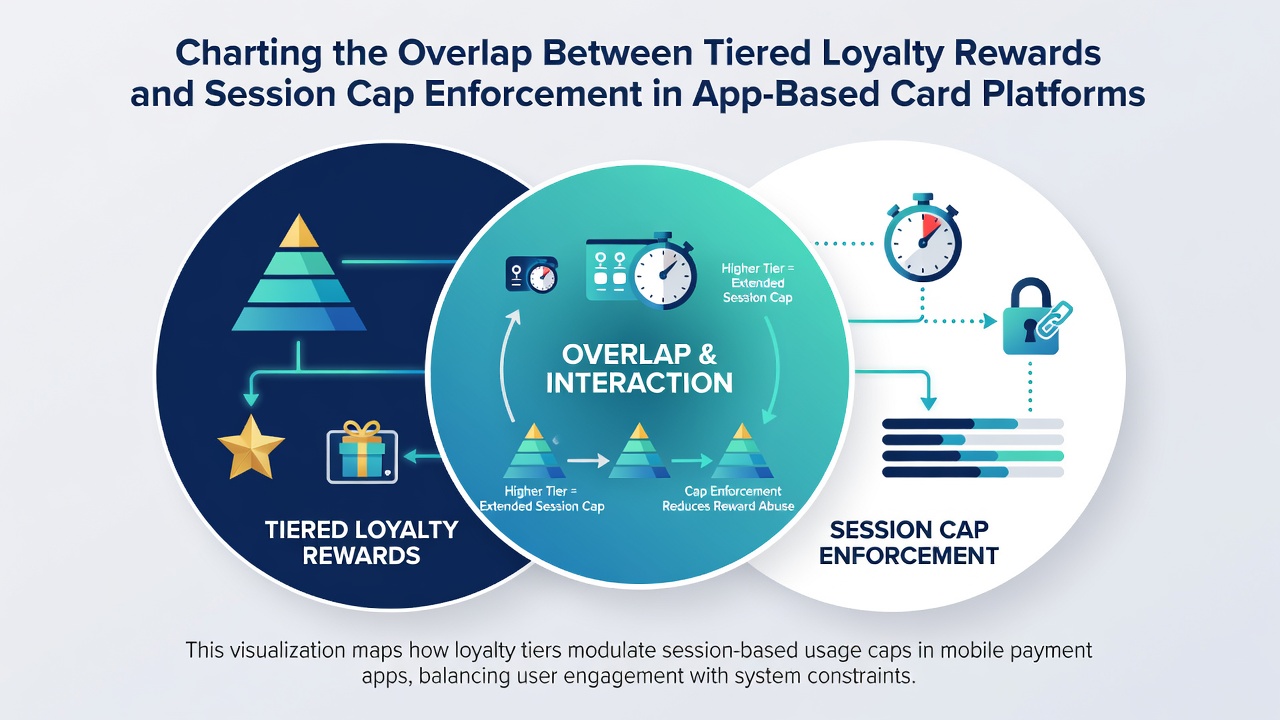
Platform operators implement API connections that feed session data directly into loyalty databases, and this linkage permits dynamic scaling of benefits as caps approach. For instance, a mid-tier user nearing a 60-minute session limit might see bonus offers paused until the next allowed window begins, while accumulated points carry forward into subsequent sessions. Evidence from European gaming association compilations demonstrates that such synchronized systems reduce instances of abrupt disconnections by distributing alerts across multiple channels including in-app messages and email summaries.
Regional Regulatory Influences on System Design
Developers adapt these overlapping features to meet diverse requirements from international oversight entities, including guidelines from Canada's provincial gaming authorities and reports issued by the New Zealand Department of Internal Affairs. In November 2026, several platforms introduced updates that refined cap calculations to incorporate loyalty tier data more explicitly, which resulted in smoother transitions between reward levels and enforced breaks. These modifications addressed feedback from user behavior analyses that highlighted friction points where abrupt caps disrupted progression streaks.
Integration testing conducted by independent labs has confirmed that accurate data synchronization prevents reward inflation during capped sessions, and it maintains fairness across player cohorts. What's interesting is how certain applications now embed predictive models that forecast cap activation based on historical patterns tied to specific tiers, thereby allowing preemptive adjustments like temporary bonus holds.
Implementation Challenges and Technical Solutions
Engineers encounter difficulties when scaling these systems across high-traffic periods, since simultaneous loyalty recalculations and cap enforcements demand robust server infrastructure. Solutions often involve distributed computing frameworks that process events in parallel, and they draw from industry benchmarks published by the International Association of Gaming Regulators. One documented case involved a platform that resolved latency issues by batching loyalty updates at session endpoints rather than continuously, which preserved accuracy while respecting cap boundaries.
Conclusion
Platform data continues to illustrate how tiered loyalty rewards and session cap enforcement function as interconnected components rather than isolated features in app-based card play settings. Ongoing refinements driven by regulatory updates and technical advancements ensure these systems evolve to balance user progression with operational constraints across global markets.