20 Sep 2026
Bridging Free Play and Real Stakes: Reward Structures and Device Enhancements in Blackjack Progression

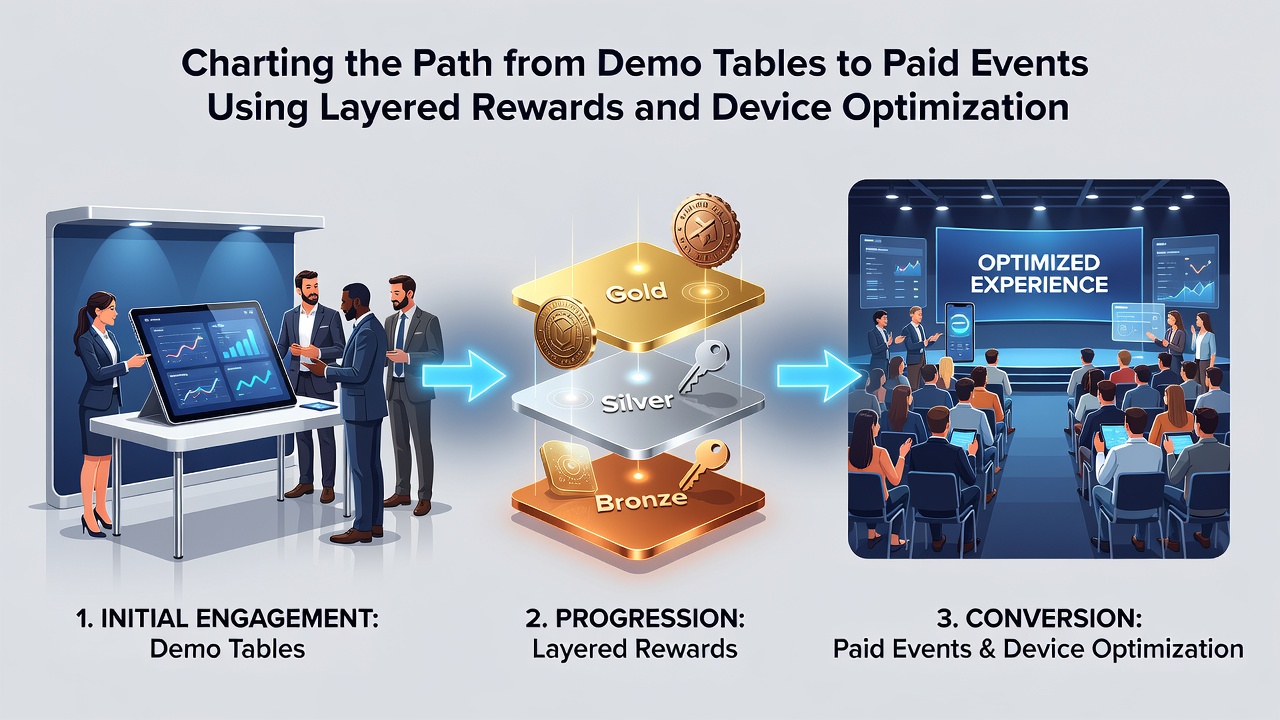
Players often begin their journey with demo tables that simulate blackjack rules and mechanics without financial risk, and industry data shows these practice environments build foundational skills before participants move into paid competitions. Layered rewards systems operate through progressive tiers that include bonus credits, free spins, and loyalty points, while device optimization ensures seamless transitions across mobile platforms and desktop interfaces.
Demo Tables as Entry Points
Demo versions of blackjack allow users to explore card counting basics, betting patterns, and table etiquette in controlled settings, and research from gaming studies indicates these modes reduce initial barriers for newcomers. Observers note that many platforms integrate tutorial overlays during demo sessions, which guide players through payout structures and hand rankings without requiring deposits.
Statistics from North American casino operators reveal that over 60 percent of users who engage with demo tables for at least five sessions later attempt real-money play, and this progression accelerates when rewards accumulate automatically based on playtime metrics. Device optimization plays a supporting role here by adapting interfaces to smaller screens, adjusting button sizes, and minimizing latency during card draws.
Layered Rewards Mechanics
Reward layers typically stack multiple incentive types, starting with welcome bonuses that match initial deposits, followed by ongoing cashback on losses and milestone achievements that unlock tournament entries. According to reports from the American Gaming Association, such multi-tier programs increase retention rates by 35 percent compared to single-bonus models, because participants receive continuous feedback through point trackers and level-up notifications.
One documented case involves a Canadian operator that combined daily login streaks with tournament qualifiers, resulting in measurable shifts from free play to paid events within four weeks for active users. These systems function through algorithmic tracking that monitors session length, win frequency, and wager volume, then distributes rewards proportionally to sustain engagement.
Device Optimization Strategies
Optimization techniques focus on responsive design that maintains consistent gameplay across operating systems, incorporating touch-friendly controls and reduced data usage for regions with variable connectivity. Industry analyses indicate that players using optimized mobile apps complete transitions to paid tournaments at higher rates than those on standard browser versions, because loading times drop below two seconds and interface elements scale automatically.
September 2026 updates from European regulatory bodies highlighted new standards for cross-device compatibility, requiring operators to certify apps against performance benchmarks before offering real-money features. Those standards emphasize secure payment gateways that integrate directly with reward wallets, allowing instant conversion of bonus credits into tournament buy-ins.
Pathway Integration and Player Movement
Integrated platforms link demo performance data to reward eligibility, so consistent demo success triggers invitations to low-stakes paid events that carry scaled-down versions of full tournament structures. Figures from Australian gaming research show this data-driven approach lifts conversion from demo to paid by 28 percent when combined with personalized notifications about upcoming competitions.
External partnerships with hardware manufacturers further refine device performance through custom firmware tweaks that prioritize graphics rendering for card animations and reduce battery drain during extended sessions. Observers note that such collaborations create smoother pathways, because technical friction decreases and players remain focused on strategy rather than troubleshooting.
Conclusion
The combination of demo tables, layered rewards, and device optimization forms a structured progression model that moves participants toward paid blackjack events through measurable milestones and technical refinements. Data from multiple regions confirms these elements operate together to support sustained activity without abrupt shifts in user experience.